
BEYOND THE SOLO HERO: ASSEMBLING YOUR POST-APOCALYPTIC DREAM TEAM
Choose your 🫵🏾role below. Find your 🫵🏾teammates in the comments. 🤝

BEYOND THE SOLO HERO: ASSEMBLING YOUR POST-APOCALYPTIC DREAM TEAM
Published May 8, 2026
“In the movies, the lone wolf often gets all the glory. But in a real-world scenario—even a hypothetical one—true strength lies in community. Just as we seek balance in our own lives, a successful survival team needs a well-rounded set of skills. Think of it less as a ragtag group of survivors and more as a powerful, purpose-driven collective, each member playing a vital role.”
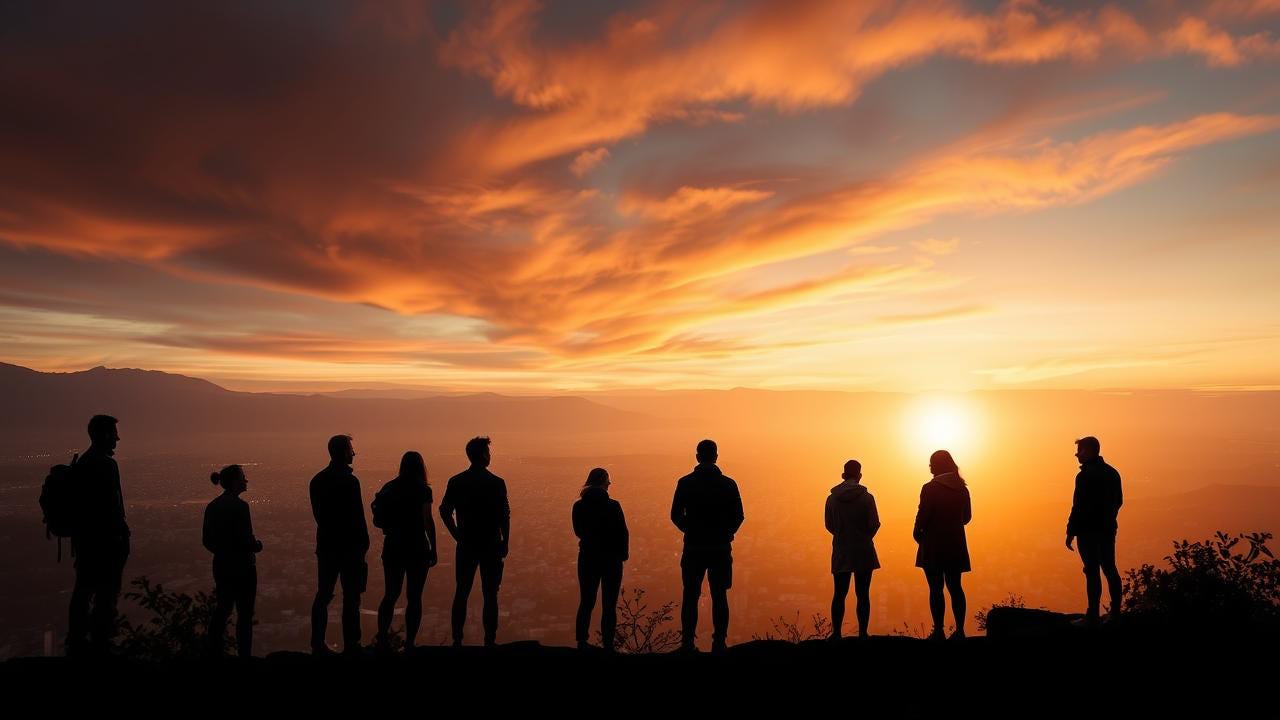
In the movies, the lone wolf often gets all the glory. But in a real-world scenario—even a hypothetical one—true strength lies in community. Just as we seek balance in our own lives, a successful survival team needs a well-rounded set of skills. Think of it less as a ragtag group of survivors and more as a powerful, purpose-driven collective, each member playing a vital role.
So, let’s step into our imaginative headquarters and begin drafting our team. The key isn’t brute strength or a vast arsenal, but a thoughtful assessment of each person’s unique abilities. After all, the apocalypse isn’t just about fighting it’s about building, healing, and thriving.
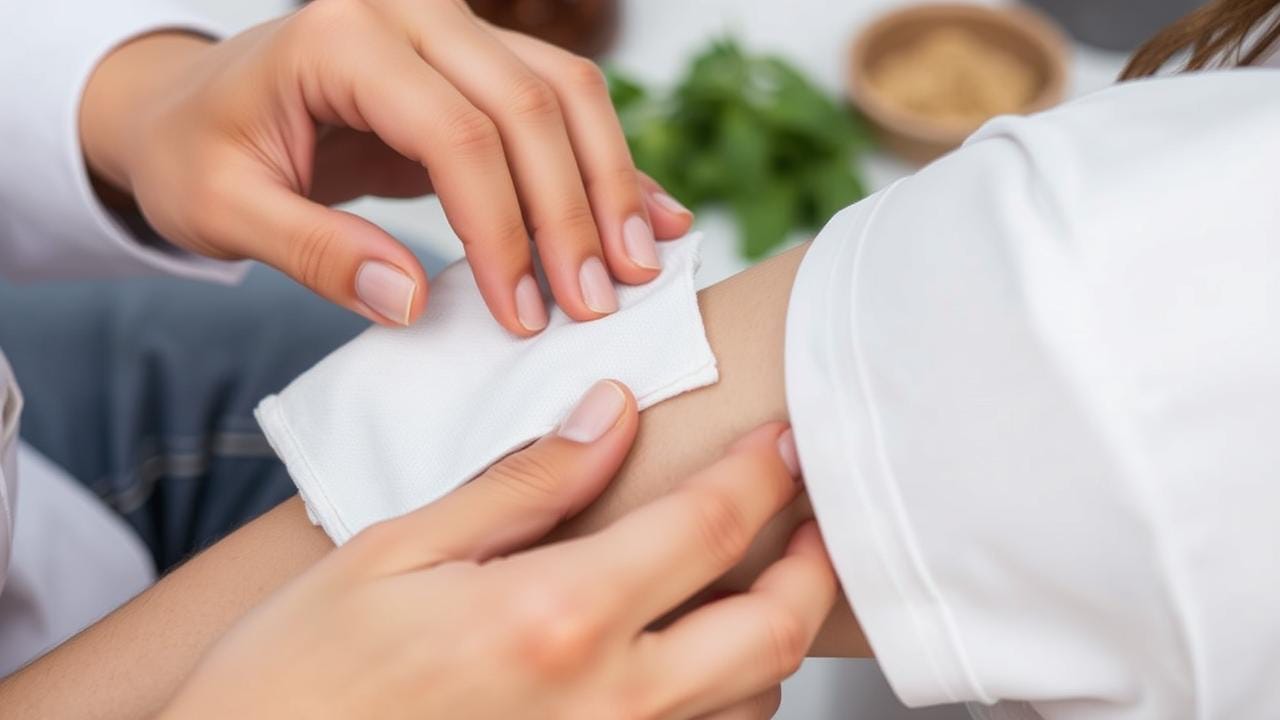
The Healer: The Heart and Hands of the Group
Physical and mental wellness are paramount. The Healer is the designated first aid expert, but their role goes far beyond bandages. They are the emotional anchor, the one who can offer a soothing presence and tend to morale. They might have a background in medicine, botany, or simply possess a natural calm that helps others cope with stress. Their strength is in their compassion and their ability to keep the team healthy in both body and mind.
The Strategist: The Mind That Maps the Future
Every team needs a leader—not a commander, but a strategist. This is the person who can see the big picture. Are they calm under pressure?
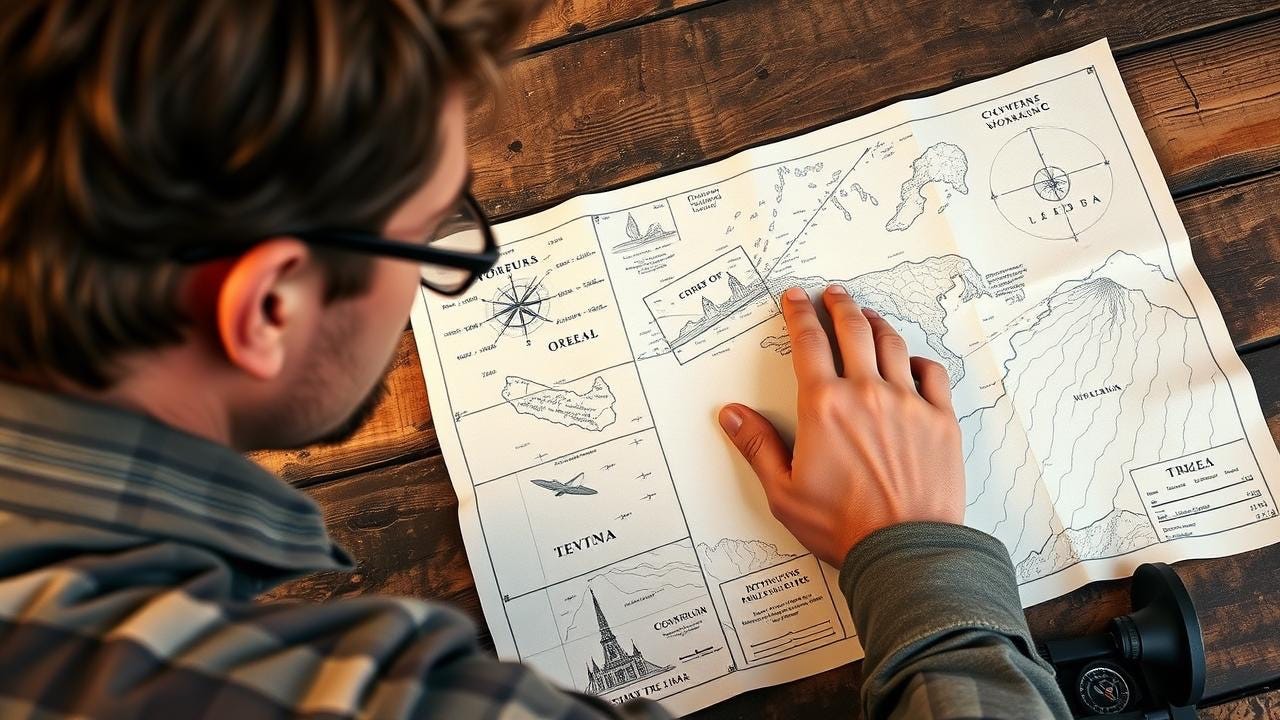
Do they excel at planning and logistics? Their role is to assess resources, chart a course, and make tough decisions. They’re the ones with a map (or the mental equivalent) of the next move, ensuring the team is always one step ahead.
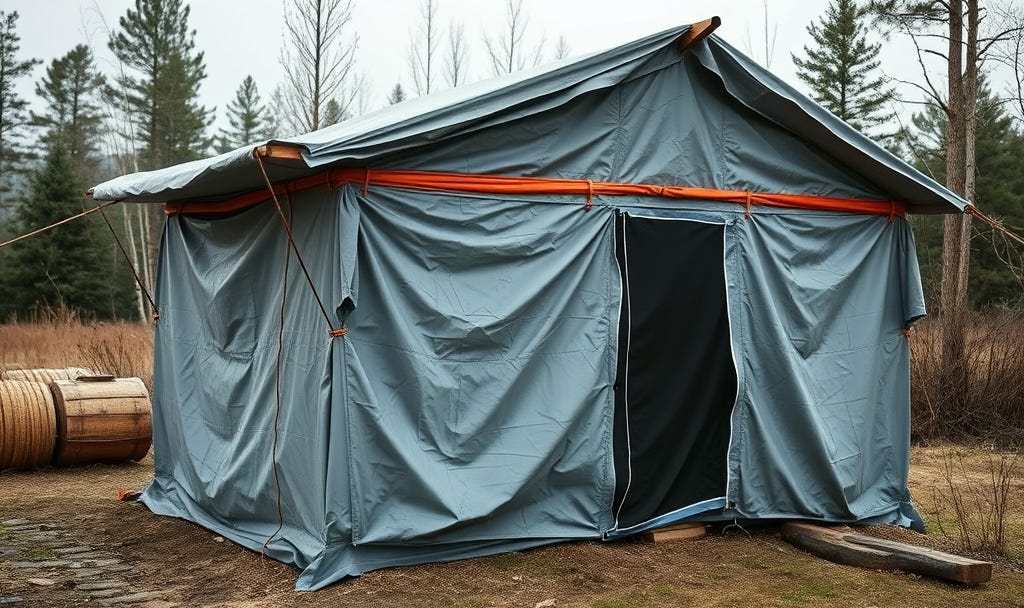
The Builder: The Resourceful Problem-Solver
When the world changes, you need someone who can change with it. The Builder is the master of improvisation, able to fix a broken shelter, jury-rig a water filtration system, or repair a crucial piece of gear. They have a knack for turning scraps into solutions. Their mind is always working on a puzzle, and they find satisfaction in creating something from nothing.
The Scout: The Eyes and Ears of the Team
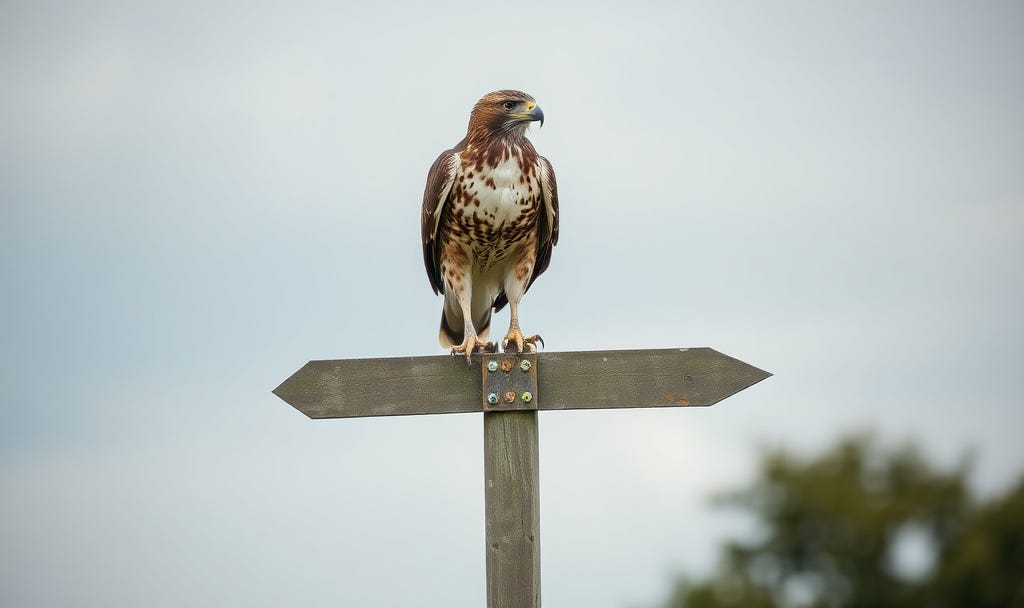
To find new resources and avoid danger, you need someone with a keen sense of awareness. The Scout is the master of observation, possessing an innate ability to read a situation. They are cautious, patient, and understand the value of reconnaissance. Their role is to gather information and ensure the path forward is safe, using their wisdom to keep the team out of harm’s way.
The Nurturer: The Gardener of Hope
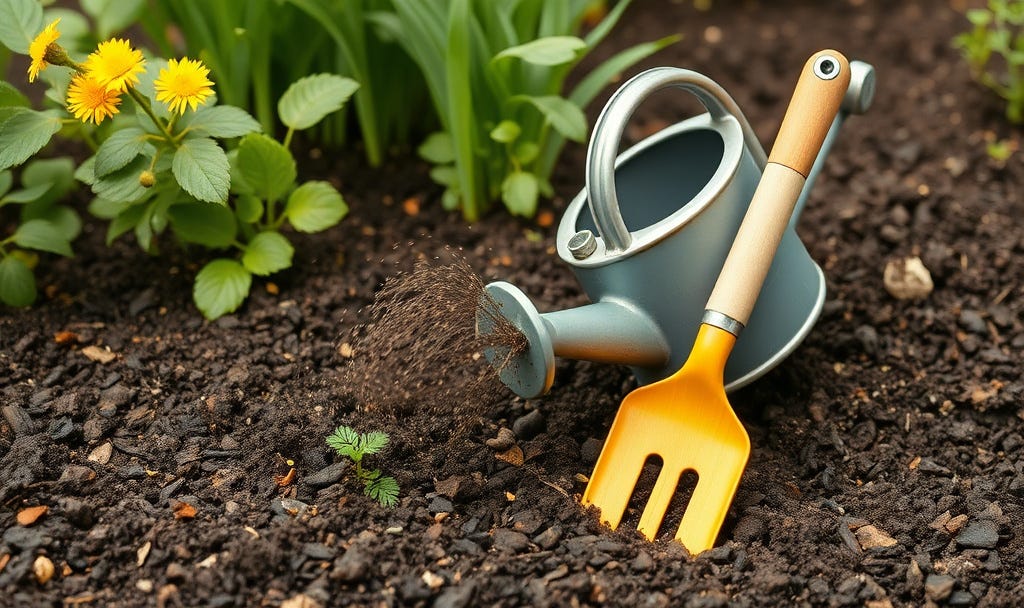
In a world of scarcity, the ability to cultivate is a priceless skill. The Nurturer is the person who can identify edible plants, start a small garden, or even simply keep the team’s spirits up. They are the providers in a different sense—not just of food, but of optimism and a connection to the natural world. They remind everyone that life, and purpose, can still flourish.
Building Your Network: Finding Your Team Before the Storm
So, where do you find these incredible people? The answer is right in your everyday life.
Your Coworkers: Don’t underestimate the skills of your colleagues. The project manager might be an excellent strategist, the IT specialist a natural builder, and the HR representative an empathetic healer. Look for strengths you see in the workplace—organization, problem-solving, and leadership—as these are highly transferable skills.

Neighbors: Your neighbors are your first line of defense in a localized emergency. They might have tools, knowledge of the local area, or just a different set of skills to complement your own. A neighbor who’s an avid gardener or a retired contractor could be a massive asset. Building a rapport with them now is a proactive form of preparation.
Shared Hobbies: Think about the people you meet while pursuing your passions. The folks in your hiking club, your local community garden, or even a book club could have the qualities you’re looking for. A hiker is a natural scout, a gardener a nurturer, and a book club member might be a fantastic strategist with their analytical mind.
Building your post-apocalyptic dream team is, in essence, an act of radical self-awareness. It’s a chance to recognize and celebrate the unique talents each person brings to the table, and to understand that the sum of the parts is far greater than the whole. It’s a beautiful metaphor for life itself—finding our purpose and working together to build a better future, no matter the circumstances.
Now that you’ve got your team assembled, you might be curious about how your individual traits can shape the larger experience. For a deeper dive into self-discovery, check out The End Is Near (For Your Old Self!): Apocalypse Party Themes Based On Your Life Number.
Coming soon to Substack.
And to make sure your team has all the right supplies for your shared journey, be sure to read our definitive guide on everything you’ll need in a kit with Ready for Anything? Imagining Your Post-Apocalyptic Adventure Kit!
Also coming soon to Substack.
Additional NEW Substack publication below

What's your role in the Post-Apocalyptic Dream Team?
The comments section is where you can recruit or market your survival skills.
Which slots on your team still need to be filled?
Hi, thanks for liking my note. I would love to get you connected with my book, or an article I’ve written and see how resonates. Love to subscribe and connect with each other. Thanks so much for holding the space.